
Imagem 1 de 20
Imagem 2 de 20
Imagem 3 de 20
Imagem 4 de 20
Imagem 5 de 20
Imagem 6 de 20
Imagem 7 de 20
Imagem 8 de 20
Imagem 9 de 20
Imagem 11 de 20
Imagem 12 de 20
Imagem 13 de 20
Imagem 14 de 20
Imagem 15 de 20
Imagem 16 de 20
Imagem 17 de 20
Imagem 18 de 20
Imagem 19 de 20
Imagem 20 de 20
Lisbon of the Navigators
Lisbon of the Navigators- Private Tour
We invite the visitors to discover the Lisbon of adventurers, of navigators who in the 15th century decided to leave land behind and venture across the Atlantic Ocean in the hope of finding new, unexplored lands. Portugal's contribution to the geography of the world as it exists today is enormous. By deciding to look to the horizon and feel the call to adventure into the unknown, they connected lands and oceans and contributed to taking knowledge far beyond what was imagined.
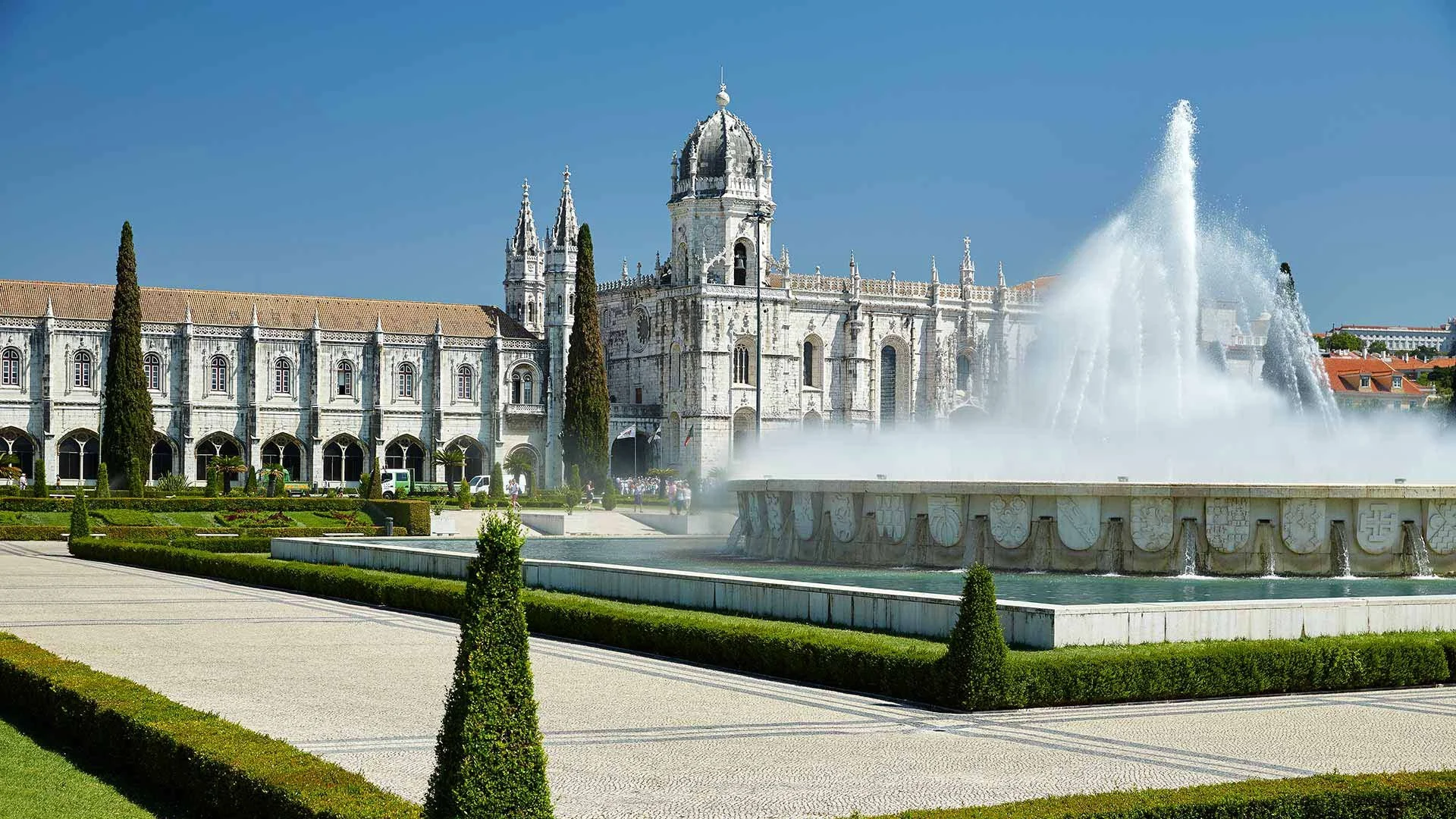
We invite visitors to explore this magnificent part of Lisbon, which served as the starting point for these courageous adventurers. Here in the Belém neighbourhood, we can find some symbols of the great Portuguese empire of the 15th century, such as the Jerónimos Monastery, built at the beginning of the century. It is the greatest symbol of Portugal's power at the time. Here we can find the tombs of some very important figures, such as the navigator who discovered the sea route to India, Vasco da Gama, as well as Kings Manuel I and João III and the great writer Luís de Camões.
We can also visit the tower that served to protect the city from invaders and was also a symbol of power during the Age of Discovery. Built in the early 16th century, it protected the entrance to the city. Another symbol we can visit is the Monument to the Discoveries. This monument, built in the mid-20th century, pays homage to the navigators and the role that Portugal played during the Age of Discovery.
There are several attractions we can show you, but above all, we show you the history of a small country that became great, one of the largest empires in the world at the time
Lisbon of the Navigators- Private Tour
We invite the visitors to discover the Lisbon of adventurers, of navigators who in the 15th century decided to leave land behind and venture across the Atlantic Ocean in the hope of finding new, unexplored lands. Portugal's contribution to the geography of the world as it exists today is enormous. By deciding to look to the horizon and feel the call to adventure into the unknown, they connected lands and oceans and contributed to taking knowledge far beyond what was imagined.
We invite visitors to explore this magnificent part of Lisbon, which served as the starting point for these courageous adventurers. Here in the Belém neighbourhood, we can find some symbols of the great Portuguese empire of the 15th century, such as the Jerónimos Monastery, built at the beginning of the century. It is the greatest symbol of Portugal's power at the time. Here we can find the tombs of some very important figures, such as the navigator who discovered the sea route to India, Vasco da Gama, as well as Kings Manuel I and João III and the great writer Luís de Camões.
We can also visit the tower that served to protect the city from invaders and was also a symbol of power during the Age of Discovery. Built in the early 16th century, it protected the entrance to the city. Another symbol we can visit is the Monument to the Discoveries. This monument, built in the mid-20th century, pays homage to the navigators and the role that Portugal played during the Age of Discovery.
There are several attractions we can show you, but above all, we show you the history of a small country that became great, one of the largest empires in the world at the time
Wherever you look, wherever you walk, the past is present. As you visit the neighborhood's historical and cultural heritage, you will become more and more fascinated as the facts intertwine.
This private tour for 4 people includes stops at the Jerónimos Monastery, the Belém Pastry Factory, the Belém Tower, the Monument to the Discoveries, and the Museum of Art, Architecture, and Technology (MAAT).